
Your latest project just hit a roadblock—the industrial automation system integration documentation doesn’t meet Seattle compliance standards. You’re facing costly delays and potential safety issues. Sound familiar? You’re not alone.
Many businesses across Seattle face this exact challenge. In this comprehensive guide, we’ll walk you through everything you need to know about professional industrial automation system integration services and how to ensure your next project runs smoothly.
What Is Industrial Automation System Integration?
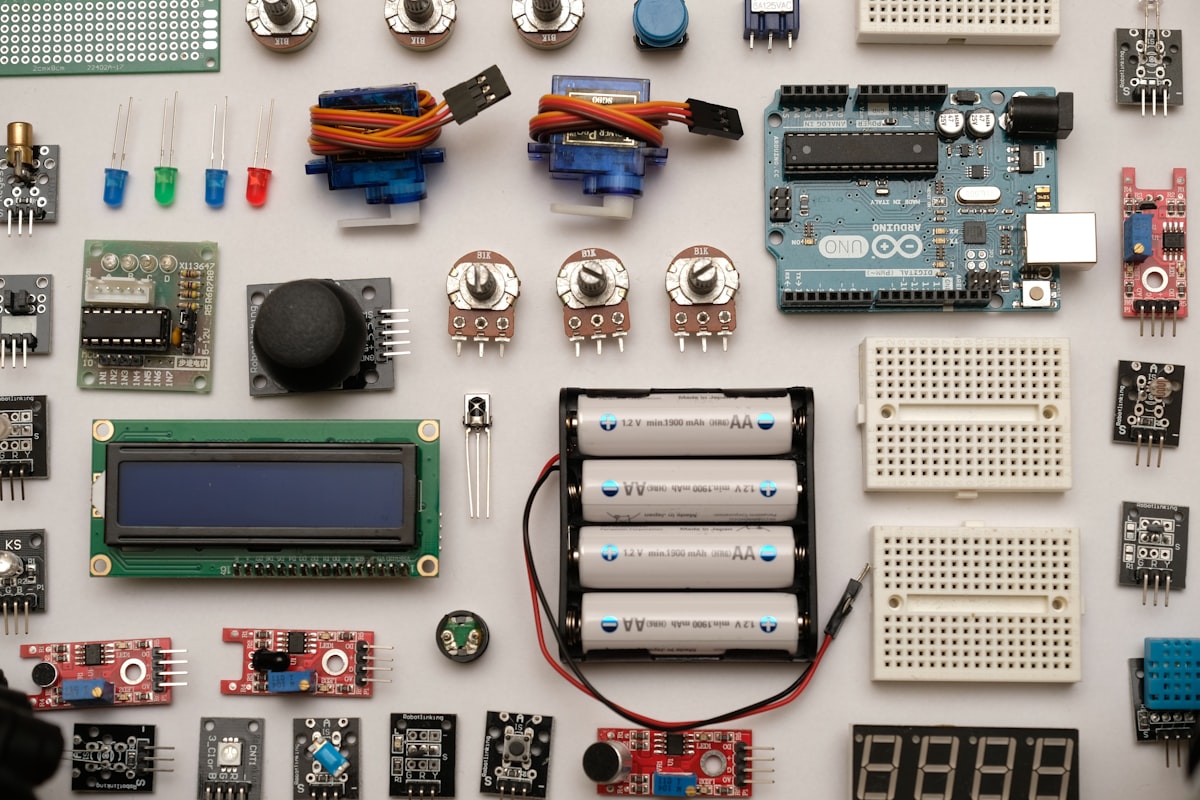
Industrial automation refers to the use of control systems, such as programmable logic controllers (PLCs) and SCADA (supervisory control and data acquisition) software, to manage manufacturing, mining, and other industrial processes. These automated systems utilize sensors, robotics, and internet-connected devices (the Industrial Internet of Things or IIoT) to optimize productivity, quality, and safety.
System integration is the process of connecting these various automation components into a cohesive, fully-functional solution. This includes integrating disparate hardware, software, and communication protocols to create a seamless, end-to-end system. For related services, see our electrical design capabilities.
Key Benefits for Seattle Businesses
As one of the fastest-growing industrial hubs in the United States, Seattle faces a unique set of challenges that make industrial automation a strategic imperative. High labor and energy costs, combined with a shortage of skilled technicians, put constant pressure on the region’s manufacturing, mining, and construction companies to find new ways to boost productivity and reduce overhead.
- Increased Productivity and Efficiency: Seamless integration of PLCs, SCADA, robotics, and other automation technologies eliminates manual bottlenecks and streamlines workflows. This leads to faster production cycles, reduced downtime, and higher overall throughput.
- Improved Quality Control and Reduced Defects: Automated inspection, real-time monitoring, and data-driven process optimization ensure consistently high product quality and fewer manufacturing defects. This translates to lower rework costs and enhanced customer satisfaction.
- Enhanced Worker Safety and Reduced Labor Costs: By taking over dangerous, repetitive, or physically demanding tasks, industrial automation frees up your workforce to focus on higher-value activities. This not only improves safety but also reduces the need for manual labor, cutting your overall personnel expenses.
How to Choose the Right Provider
When evaluating potential industrial automation partners in Seattle, it’s crucial to consider their local expertise, breadth of integration capabilities, and proven track record with similar projects. Look for a provider that can demonstrate deep knowledge of the Seattle market, including relevant building codes, environmental regulations, and industry best practices. They should also have extensive experience integrating a wide range of automation components, from PLCs and HMIs to SCADA software and IIoT devices. Finally, prioritize partners who have successfully delivered comparable automation integration projects in the Seattle area and can provide ongoing support and maintenance services to ensure your system stays optimized and minimizes the risk of unexpected downtime.
Need Electrical Design & Engineering Support?
Advanced Mechanix delivers expert electrical design, CAD drafting, and engineering solutions for industrial and mining operations.
📞 +1 408 412 0717 | 📧 company@advancedmechanix.com
Industry Applications in Seattle
Mining and Mineral Extraction
Enhance worker safety, optimize equipment utilization, and improve operational visibility in resource extraction operations. Integrated automation systems can also automate hazardous or environmentally sensitive tasks to meet regulatory standards.
Manufacturing (Aerospace, Machinery, Electronics)
Streamline production workflows, improve quality control, and reduce labor costs in high-volume, repetitive manufacturing environments. Advanced automation also enables Seattle-based manufacturers to comply with strict environmental regulations while boosting energy efficiency.
Frequently Asked Questions
What does industrial automation system integration cost in Seattle?
The cost of industrial automation system integration in Seattle can vary significantly depending on the scope and complexity of the project. Generally, you can expect to invest anywhere from $100,000 to $1 million or more for a comprehensive, end-to-end solution. Factors that influence the overall cost include the number and type of automation components being integrated, the scale and complexity of your existing systems and infrastructure, the level of customization required, and the need for additional electrical, structural, or architectural work. While the upfront investment may seem substantial, the long-term value of industrial automation system integration in the Seattle market is undeniable, with most facilities seeing a full return on their investment within 12-24 months.
How long does a typical project take?
The timeline for an industrial automation system integration project in Seattle can vary depending on the complexity of the solution and the specific requirements of your facility. However, a typical end-to-end project, from initial design and planning to full implementation and testing, can take anywhere from 6 to 12 months. It’s essential to work closely with your integration partner to develop a comprehensive project plan that accounts for all technical and logistical requirements, as well as any local regulations or codes that need to be addressed. By carefully managing the timeline and proactively addressing potential challenges, you can ensure a smooth, successful integration that delivers maximum value to your Seattle-based operations.
Conclusion
By implementing a comprehensive industrial automation system integration solution, Seattle-based businesses can overcome the unique challenges facing the region’s industrial landscape and unlock significant benefits. From increased productivity and efficiency to improved worker safety and enhanced sustainability, these transformative technologies can help you drive continuous operational improvements and maintain a competitive edge in the Seattle market.
Ready to get started? Contact Advanced Mechanix today for a free project assessment: +1 408 412 0717 or company@advancedmechanix.com