
Designing Efficient Electrical Systems for Industrial Operations in Miami
Miami’s industrial landscape is a vibrant hub of manufacturing, logistics, and mining activities, all of which rely on robust and reliable electrical infrastructure. Ensuring these operations have efficient, resilient, and future-ready electrical systems is critical for maintaining productivity, safety, and sustainability. In this guide, we’ll explore best practices for designing industrial electrical systems optimized for Miami’s unique climate and regulatory environment.
Navigating Miami’s Electrical Code and Regulatory Landscape
Industrial facilities in Miami must comply with a variety of local and national electrical codes and regulations. Understanding the nuances of the Florida Building Code, Miami-Dade County Electrical Code, and the National Electrical Code is essential for designing compliant systems. Key considerations include:
-
Grounding requirements: Miami’s coastal climate and high humidity levels can accelerate corrosion, making proper grounding and bonding crucial for safety and equipment protection.
-
Surge protection: Frequent thunderstorms and lightning strikes in the region require advanced surge protection measures to safeguard sensitive electronic equipment.
-
Emergency power: Reliable backup power sources, such as generators and uninterruptible power supplies (UPS), are vital for maintaining critical operations during grid outages or extreme weather events.
-
Hurricane-specific requirements: Miami-Dade County has stringent regulations for electrical systems in hurricane-prone areas, including increased wind and flood resistance standards.
Partnering with an experienced electrical engineering firm familiar with Miami’s regulatory landscape can help industrial clients navigate these complex requirements, streamline the design process, and avoid costly delays or violations.
Optimizing Electrical System Resilience and Reliability
Electrical system reliability is paramount for Miami’s industrial operations, which often rely on continuous power for critical processes. Designing for resilience involves incorporating redundant power sources, robust backup systems, and advanced control technologies. Strategies for enhancing system uptime include:
-
Microgrid integration: Incorporating renewable energy solutions, such as solar photovoltaic systems and battery storage, can provide reliable, self-sufficient power during grid outages.
-
Intelligent monitoring and control: Deploying programmable logic controllers (PLCs), SCADA systems, and IoT-enabled sensors allows for real-time monitoring, automated diagnostics, and remote management of the electrical infrastructure.
-
Careful component selection and installation: Selecting high-quality electrical equipment designed for harsh environments, along with meticulous cable routing and installation practices, can significantly improve system reliability.
By leveraging these resilience-focused design approaches, industrial facilities in Miami can maintain operations and minimize the impact of power disruptions, ensuring uninterrupted productivity and safety.
Embracing Automation and Smart Technologies
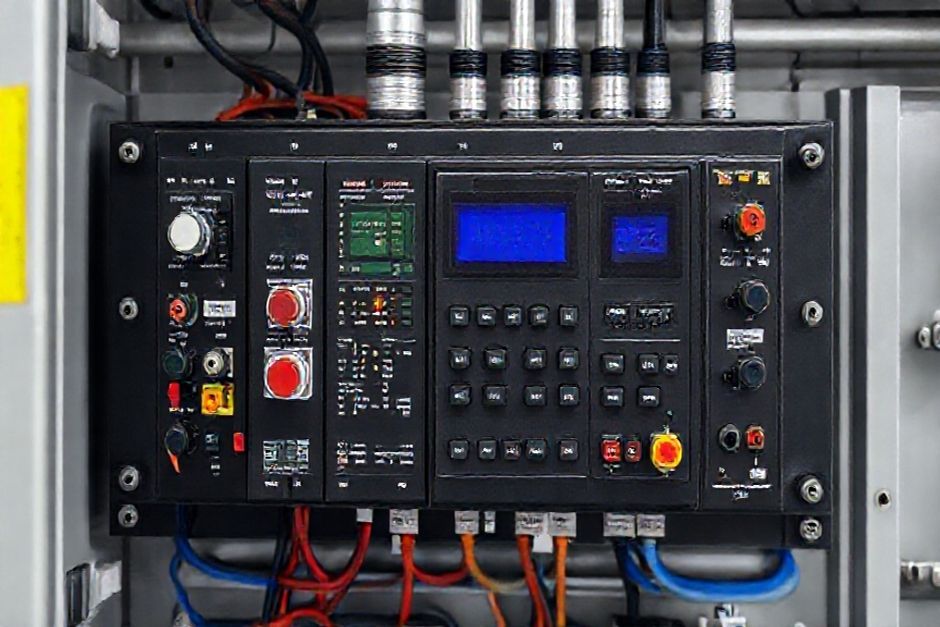
The latest advancements in industrial automation and smart technologies are transforming electrical system design in Miami. By integrating programmable logic controllers (PLCs), SCADA systems, and IoT sensors, industrial operations can optimize power distribution, monitor energy usage, and achieve new levels of efficiency and productivity. Key considerations for Miami’s industrial clients include:
-
PLC-based control systems: Programmable logic controllers can automate and streamline various electrical functions, from load balancing to predictive maintenance.
-
SCADA integration: Supervisory Control and Data Acquisition (SCADA) systems provide real-time visibility and remote control over the electrical infrastructure, enabling faster response times and better decision-making.
-
IoT sensor integration: Internet of Things (IoT) sensors can collect and transmit data on power quality, energy consumption, and equipment performance, allowing for data-driven optimization and predictive maintenance.
Seamless integration with building management systems and enterprise-wide controls is also a crucial consideration, as it enables holistic optimization of the entire facility’s electrical ecosystem.
Conclusion
Designing efficient electrical systems for Miami’s industrial operations requires a multifaceted approach that balances regulatory compliance, resilience, and technological innovation. By partnering with experienced electrical engineering experts, industrial clients in Miami can gain a competitive edge and ensure the long-term reliability and sustainability of their critical infrastructure.