
Your latest project just hit a roadblock—the industrial automation system integration documentation doesn’t meet Fort Worth compliance standards. You’re facing costly delays and potential safety issues. Sound familiar? You’re not alone.
Many businesses across Fort Worth face this exact challenge. In this comprehensive guide, we’ll walk you through everything you need to know about professional industrial automation system integration services and how to ensure your next project runs smoothly.
What Is Industrial Automation System Integration?
At its core, industrial automation refers to the use of control systems, such as computers or robots, to handle various processes and machinery in a manufacturing or production environment. These technologies automate tasks that were previously performed manually, allowing for greater precision, consistency, and efficiency.
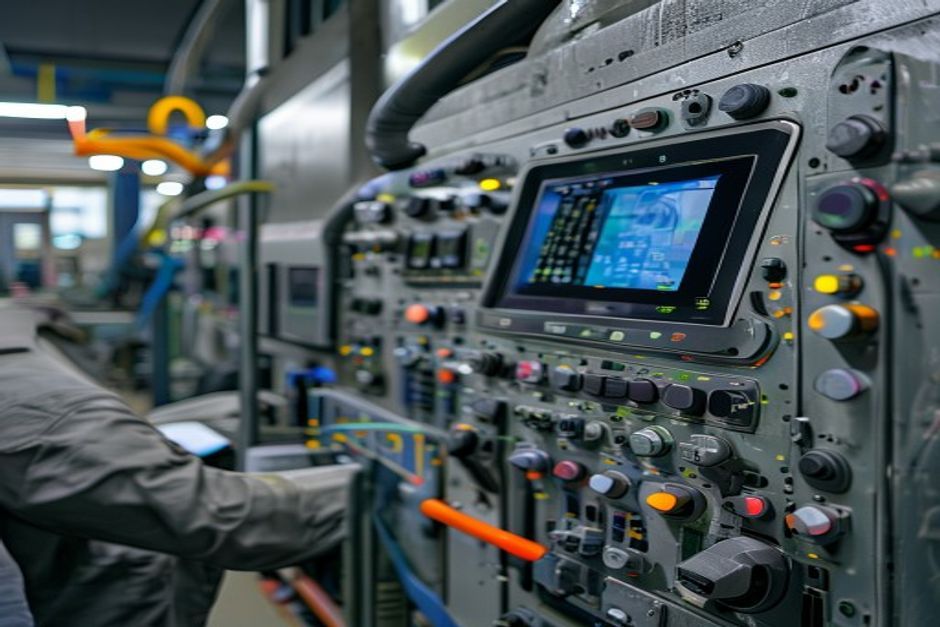
System integration takes this a step further, connecting these disparate automation components into a cohesive, data-driven operational framework. By integrating programmable logic controllers (PLCs), SCADA systems, the Industrial Internet of Things (IIoT), and other automation technologies, manufacturers can create a unified, intelligent platform that provides real-time visibility, streamlined control, and predictive maintenance capabilities. For related services, see our electrical design capabilities.
Key Benefits for Fort Worth Businesses
When implemented effectively, industrial automation system integration can deliver a wide range of benefits for Fort Worth manufacturers, mining operations, and construction companies. These include:
- Increased Productivity and Efficiency: A major mining operation in Fort Worth recently saw a 15% boost in equipment utilization after integrating their automation systems. By optimizing production workflows and minimizing downtime, they were able to drive significant gains in output.
- Improved Product Quality and Reduced Downtime: A leading Fort Worth-based manufacturer was able to reduce defects by 20% and cut unplanned downtime by 30% through the implementation of an integrated automation system that provided real-time quality monitoring and predictive maintenance capabilities.
- Predictive Maintenance and Cost Savings: For a mining client in the Fort Worth area, integrated automation technologies enabled a 20% reduction in maintenance costs by transitioning from a reactive to a proactive maintenance approach. Sensors and analytics identified potential issues early, allowing for timely intervention.
- Sustainability and Energy Efficiency: By integrating building automation, IIoT sensors, and energy management systems, a commercial construction project in Fort Worth achieved a 12% reduction in energy consumption, contributing to the facility’s LEED certification.
- Streamlined Site Logistics and Worker Safety: On a large-scale commercial construction site in Fort Worth, an integrated automation system was used to monitor equipment utilization, track worker locations, and trigger safety alerts – improving overall site efficiency and reducing the risk of accidents.
How to Choose the Right Provider
With so much at stake, selecting the right industrial automation system integrator is a critical decision for Fort Worth manufacturers, miners, and construction companies. Here are the key factors to consider when evaluating potential partners:
- Industry Expertise and Local Experience: Look for a system integrator with a proven track record of success in your specific industry and familiarity with the unique requirements of the Fort Worth market. This could include knowledge of local codes, environmental conditions, and workforce dynamics.
- Technical Capabilities: Assess the integrator’s technical prowess, including their ability to design, implement, and maintain complex automation systems. Ensure they have expertise in the core technologies you need, such as PLCs, SCADA, IIoT, and data analytics.
- Project Management Approach: Evaluate the integrator’s project management methodology, including their communication style, change management processes, and post-installation support. Ensure they can provide a seamless, end-to-end experience.
- Compatibility and Cybersecurity: Ask about the integrator’s experience in ensuring compatibility between new and legacy systems, as well as their approach to safeguarding your automation infrastructure against cyber threats.
- Scalability and Flexibility: Understand the integrator’s ability to support your evolving automation needs, whether that’s expanding your system’s capabilities or adapting to changing market conditions.
Need Electrical Design & Engineering Support?
Advanced Mechanix delivers expert electrical design, CAD drafting, and engineering solutions for industrial and mining operations.
📞 +1 408 412 0717 | 📧 company@advancedmechanix.com
Industry Applications in Fort Worth
Mining Sector
For mining companies operating in the Fort Worth region, industrial automation can optimize various aspects of their operations, from increasing equipment utilization and reducing downtime to enhancing worker safety and streamlining site logistics. Integrated systems can provide advanced analytics, remote monitoring, and autonomous control capabilities.
Manufacturing
Fort Worth’s thriving manufacturing sector, which includes major players in aerospace, automotive, and oil and gas, can leverage integrated automation to boost productivity, improve quality, and enhance sustainability. This could include automated assembly lines, predictive maintenance for critical equipment, and real-time energy management systems.
Frequently Asked Questions
What does industrial automation system integration cost in Fort Worth?
The cost of implementing an industrial automation system integration project in Fort Worth can vary widely, depending on the specific requirements of your facility, the scale of the implementation, and the level of customization needed. As a general guideline, you can expect to invest between $500,000 and $5 million for a comprehensive automation solution, with the average project falling in the $1 million to $3 million range.
How long does a typical project take?
The timeline for an industrial automation system integration project in Fort Worth can vary depending on the scope and complexity of the installation, as well as the specific requirements of your facility. On average, a comprehensive automation system integration project can take 6-12 months to complete, from the initial assessment and design phase to final implementation and testing.
Conclusion
As a thriving hub for manufacturing, mining, and construction, Fort Worth is uniquely positioned to leverage the power of industrial automation system integration to drive unprecedented gains in operational efficiency, product quality, and sustainability. By combining the right technologies with expert guidance and local market insights, Fort Worth businesses can future-proof their facilities and unlock a competitive edge in their respective industries.
Ready to get started? Contact Advanced Mechanix today for a free project assessment: +1 408 412 0717 or company@advancedmechanix.com