

Your latest project just hit a roadblock—the industrial automation system integration documentation doesn’t meet San Antonio compliance standards. You’re facing costly delays and potential safety issues. Sound familiar? You’re not alone.
Many businesses across San Antonio face this exact challenge. In this comprehensive guide, we’ll walk you through everything you need to know about professional industrial automation system integration services and how to ensure your next project runs smoothly.
What Is Industrial Automation System Integration?
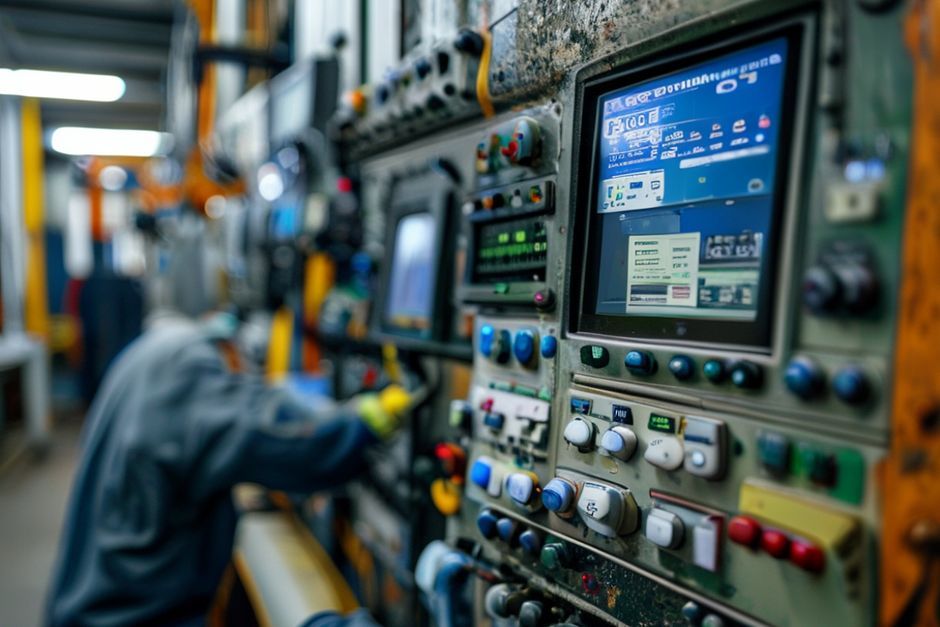
Industrial automation system integration refers to the seamless interconnection of various automation components, technologies, and software systems to create a unified, efficient, and responsive industrial control ecosystem. At its core, industrial automation system integration brings together programmable logic controllers (PLCs), supervisory control and data acquisition (SCADA) systems, industrial internet of things (IIoT) devices, and other advanced technologies to optimize industrial processes, improve operational visibility, and enhance decision-making capabilities.
In a well-integrated industrial automation system, these individual components work together in harmony, exchanging real-time data and enabling centralized monitoring, remote control, and predictive maintenance. This level of integration is essential for San Antonio’s industrial facilities, which often operate complex machinery, manage high-volume production, and must comply with strict safety and environmental regulations. By implementing a comprehensive industrial automation system integration strategy, San Antonio businesses can unlock significant improvements in areas such as production efficiency, product quality, energy consumption, and overall equipment effectiveness (OEE). This, in turn, translates to increased profitability, competitiveness, and sustainability in the local market.
Key Benefits for San Antonio Businesses
As San Antonio’s industrial businesses seek to modernize their operations and stay ahead of the competition, the benefits of industrial automation system integration become increasingly compelling. Let’s explore the key advantages that these advanced technologies can deliver:
- Increased Operational Efficiency and Productivity: By integrating their automation systems, San Antonio companies can optimize production workflows, minimize downtime, and streamline material handling – all of which contribute to significant improvements in overall operational efficiency. This, in turn, leads to higher throughput, reduced waste, and increased profitability.
- Reduced Downtime and Maintenance Costs: Industrial automation system integration provides real-time visibility into equipment performance, enabling predictive maintenance and proactive issue resolution. By anticipating and preventing equipment failures, San Antonio businesses can minimize unplanned downtime, reduce repair costs, and extend the lifespan of their critical assets.
- Improved Quality Control and Product Consistency: Integrated automation systems in San Antonio can provide precise control over manufacturing processes, ensuring consistently high product quality and reducing the risk of defects. This, coupled with enhanced data analysis capabilities, allows local businesses to identify and address quality issues more quickly, delivering a competitive edge in the market.
- Enhanced Safety and Regulatory Compliance: Industrial automation system integration in San Antonio can play a crucial role in ensuring workplace safety and compliance with local, state, and federal regulations. By automating hazardous tasks, monitoring environmental conditions, and generating comprehensive reporting, these systems help protect workers, minimize liability, and demonstrate a strong commitment to safety and sustainability.
- Increased Energy Efficiency and Sustainability: Advanced industrial automation systems can optimize energy consumption by automating lighting, HVAC, and other building systems, as well as by optimizing production processes. This translates to significant cost savings and a reduced environmental footprint, aligning with San Antonio’s growing emphasis on sustainable business practices.
How to Choose the Right Provider
Choosing the right industrial automation system integration provider is a critical decision for San Antonio businesses. The right partner can help you navigate the complexities of system design, implementation, and ongoing support, ensuring a successful and cost-effective automation project. When evaluating potential service providers in the San Antonio area, consider the following key factors:
- Technical Expertise and Local Market Experience: Look for a provider with a proven track record of designing and implementing industrial automation systems specifically for the San Antonio market. They should have in-depth knowledge of local industry requirements, regulations, and best practices, as well as a deep understanding of the unique challenges faced by businesses in the region.
- Project Management Capabilities and Support Services: Ensure that the provider can offer comprehensive project management support, including detailed planning, seamless system integration, and effective change management. Additionally, look for a partner that can provide ongoing maintenance, troubleshooting, and training services to ensure the long-term success of your automation investment.
- Compatibility and Seamless Integration: The provider should have the expertise to integrate your new automation systems with your existing infrastructure, including legacy equipment, software, and data systems. This level of interoperability is crucial for maximizing the value of your investment and avoiding costly downtime during the implementation process.
- Cybersecurity and Data Protection Measures: In today’s connected industrial landscape, robust cybersecurity and data protection measures are essential. Evaluate the provider’s capabilities in these areas, including their adherence to industry-standard protocols, their use of secure communication protocols, and their ability to safeguard your critical operational data.
- Cost-Effectiveness and Return on Investment: While cost is an important consideration, it’s crucial to balance upfront expenses with the long-term value and return on investment that the automation system integration project can deliver. Look for a provider that can offer transparent pricing, detailed cost estimates, and a clear understanding of the potential cost savings and productivity gains that their solutions can achieve.
Need Electrical Design & Engineering Support?
Advanced Mechanix delivers expert electrical design, CAD drafting, and engineering solutions for industrial and mining operations.
📞 +1 408 412 0717 | 📧 company@advancedmechanix.com
Industry Applications in San Antonio
Mining Sector
For San Antonio’s mining operations, industrial automation system integration can play a crucial role in enhancing productivity, safety, and compliance. By integrating sensor-equipped equipment, autonomous vehicles, and real-time data analytics, mining companies can optimize material handling, automate hazardous tasks, and leverage predictive maintenance to reduce downtime and maximize resource utilization.
Manufacturing
San Antonio’s manufacturing facilities can leverage industrial automation system integration to streamline production workflows, improve product quality, and boost overall equipment effectiveness (OEE). This can be achieved through the seamless integration of PLCs, SCADA systems, and IIoT devices, which enable precise process control, real-time monitoring, and data-driven decision-making.
Frequently Asked Questions
What does industrial automation system integration cost in San Antonio?
The total cost of an industrial automation system integration project in San Antonio can vary widely, depending on the scope of the project, the complexity of the existing infrastructure, and the specific technologies and services required. Generally, these projects can range from tens of thousands of dollars for smaller-scale initiatives to several million dollars for large-scale, enterprise-wide implementations. However, the potential return on investment (ROI) can be substantial, with leading San Antonio businesses reporting improvements in operational efficiency, productivity, and profitability of 25% or more.
How long does a typical project take?
The timeline for an industrial automation system integration project in San Antonio can vary depending on the scope and complexity of the project, the provider’s workload and availability, and the level of coordination required with your existing infrastructure and operations. In general, smaller-scale projects can be completed within 2-3 months, while larger, enterprise-wide initiatives may take 6-12 months or more from the initial planning phase to final implementation and testing. It’s crucial to work with an experienced provider who can develop a detailed project plan and manage the timeline effectively to minimize disruptions and ensure a successful outcome.
Conclusion
As San Antonio’s industrial landscape continues to evolve, embracing the power of industrial automation system integration has become a crucial step for businesses seeking to drive operational excellence, enhance productivity, and maintain a competitive edge. By leveraging the latest technologies, proven best practices, and local expertise, San Antonio companies can unlock new levels of efficiency, improve sustainability, and future-proof their operations.
Ready to get started? Contact Advanced Mechanix today for a free project assessment: +1 408 412 0717 or company@advancedmechanix.com