
Unlock the Future of Mining Electrical Infrastructure Design in Austin
The mining industry in Austin faces unique challenges when it comes to designing and implementing robust electrical infrastructure. From navigating local regulations to integrating emerging technologies, mining companies must stay ahead of the curve. In this article, we’ll explore the key considerations, industry trends, and expert insights to help you unlock the future of mining electrical infrastructure design in the Austin market.
Navigating the Austin Mining Electrical Landscape
Austin’s mining industry operates under a unique set of regulatory requirements and environmental factors. Compliance with the Texas Electrical Code, OSHA standards, and local permitting processes is crucial for any mining electrical project. Additionally, the region’s focus on sustainability and energy efficiency means mining companies must prioritize eco-friendly solutions.
To navigate the local landscape with confidence, Austin-based mining operations should:
-
Familiarize themselves with the Texas Electrical Code and its specific requirements for mining facilities
-
Ensure their electrical infrastructure design and installation comply with OSHA safety standards
-
Obtain all necessary permits from the City of Austin and other relevant authorities before commencing any electrical work
-
Incorporate energy-efficient technologies and renewable energy sources to meet the region’s sustainability goals
By staying up-to-date with the latest regulatory changes and best practices, mining companies in Austin can mitigate risks, avoid costly delays, and demonstrate their commitment to responsible operations.
Leveraging Emerging Technologies for Mining Electrical Systems
The mining industry is rapidly embracing innovative technologies to optimize electrical infrastructure. From digital twins and BIM modeling to AI-powered automation, these cutting-edge solutions can improve the reliability, efficiency, and cybersecurity of mining electrical systems.
Austin-based mining companies can leverage these emerging technologies to gain a competitive edge:
-
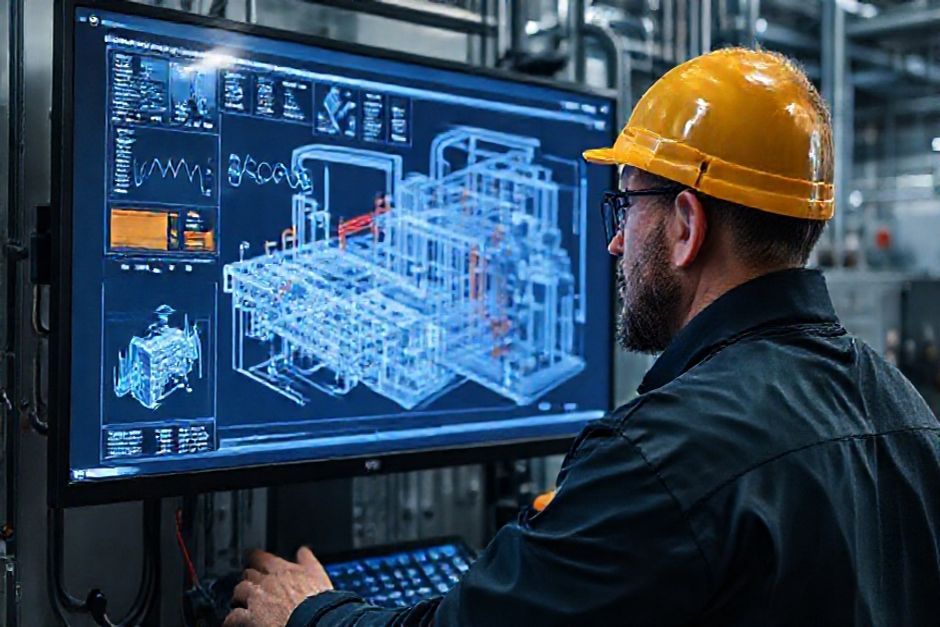
Digital Twins: Create realistic, data-driven 3D models of mining electrical systems to simulate and optimize performance, predict maintenance needs, and facilitate remote monitoring.
-
BIM Modeling: Utilize Building Information Modeling (BIM) to streamline the design, construction, and maintenance of mining electrical infrastructure, ensuring seamless collaboration and data-driven decision-making.
-
AI-powered Automation: Implement intelligent control systems and predictive analytics to automate routine electrical tasks, reduce human error, and enhance the overall resilience of mining operations.
Building a Skilled Workforce for Mining Electrical Projects
As the mining industry in Austin continues to evolve, the demand for specialized electrical engineering talent is on the rise. Workforce development and training for mining electrical professionals are critical to the success of local projects.
To build a strong team of mining electrical experts, Austin-based companies should:
-
Partner with local technical colleges and universities to develop tailored training programs and apprenticeships
-
Invest in ongoing education and certification opportunities for their existing electrical engineering staff
-
Collaborate with industry organizations and trade associations to stay informed about the latest trends and best practices in mining electrical infrastructure design
By prioritizing workforce development and fostering a culture of continuous learning, mining companies in Austin can ensure they have the skilled personnel necessary to tackle the complexities of electrical infrastructure design and implementation.
Conclusion
Designing and implementing mining electrical infrastructure in Austin requires a unique blend of local expertise, industry-leading practices, and innovative technologies. By navigating the regulatory landscape, embracing emerging solutions, and developing a skilled workforce, mining companies can unlock new levels of efficiency, reliability, and sustainability in their electrical systems.